
The Bay of Plenty region is renowned for its lush, vibrant ecosystems, which include a diverse array of native and non-native trees. This variety adds to the area’s ecological richness but also presents challenges in terms of tree maintenance and disease management. Here, we explore the common tree types found in this area, the diseases that threaten them, and how local arborist services like Cutting Edge Tree Services in Tauranga can help maintain their health and beauty.
Native Trees in the Bay of Plenty
The Bay of Plenty is home to a variety of native trees that contribute to the unique Kiwi landscape. Key species include:
- Kauri (Agathis australis): One of New Zealand’s most iconic trees, kauri are long-lived giants that are unfortunately under threat from kauri dieback disease.
- Pōhutukawa (Metrosideros excelsa): Often referred to as New Zealand’s Christmas tree because of its bright red flowers that bloom in December.
- Tōtara (Podocarpus totara): A sturdy native conifer known for its durability and cultural significance.
- Rimu (Dacrydium cupressinum): Another conifer, rimu are popular for their ornamental timber and play an important role in traditional Māori carving.
Non-Native Trees
Introduced species also flourish here, including:
- Monterey Pine (Pinus radiata): Predominantly used in forestry, this tree is favoured for its fast growth and high-quality timber.
- Douglas Fir (Pseudotsuga menziesii): Another forestry mainstay, known for its strong wood.
- Silver Birch (Betula pendula): A deciduous tree valued for its aesthetic appeal and adaptability.
Common Tree Diseases to Watch Out For
Maintaining tree health is crucial, especially with the prevalence of both native and introduced pathogens. Common diseases include:
- Kauri Dieback: This soil-borne fungus-like disease is fatal to kauri trees and has no known cure, making it one of the most devastating threats to New Zealand forests.
- Myrtle Rust: Affecting pōhutukawa, rātā, and manuka among others, this fungal disease can defoliate trees, stunting their growth and sometimes leading to death.
- Phytophthora: Affecting a range of species, this group of pathogens causes root rots and dieback symptoms.
Partnering with Cutting Edge Tree Services
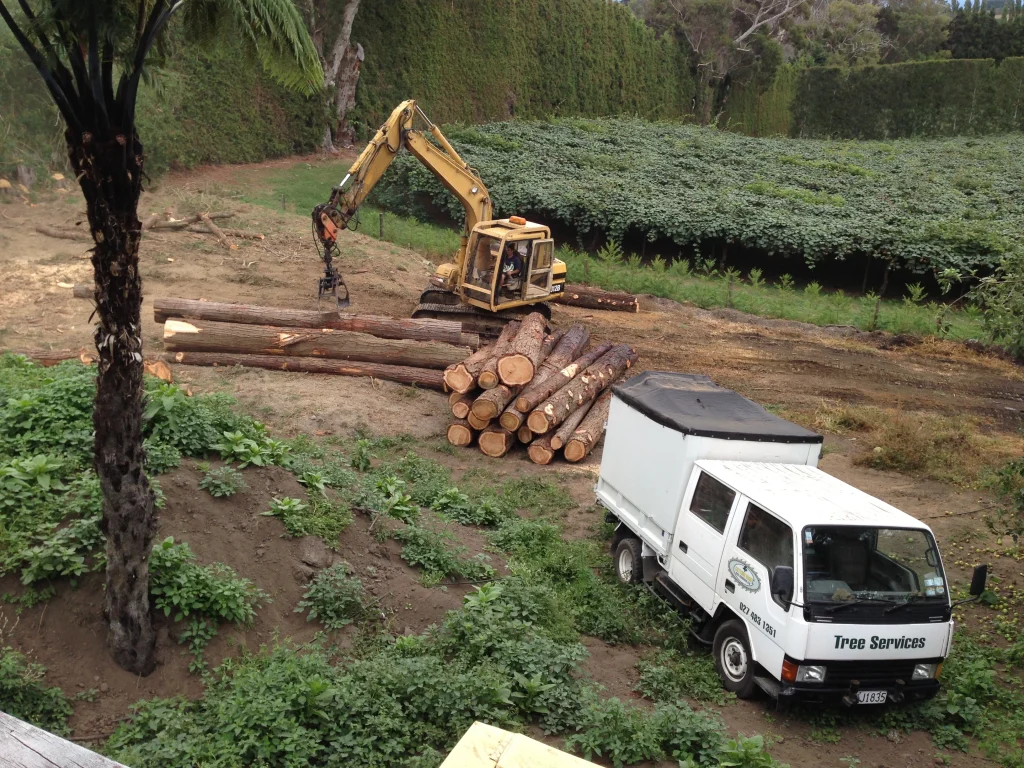
For those in the Bay of Plenty, particularly around Tauranga, managing tree health and dealing with diseased or hazardous trees may require professional assistance. Cutting Edge Tree Services offers comprehensive arborist services tailored to the unique needs of the region’s flora. Their services include:
- Health Assessments: Regular check-ups to detect early signs of disease or stress in trees.
- Pruning and Maintenance: To enhance tree health and aesthetic value, as well as prevent potential damage from fallen branches.
- Disease Management: Implementing strategies to treat infected trees or prevent the spread of diseases.
- Tree Removal: Safely removing dead or dangerous trees, particularly those that pose risks to property or human life.
To wrap up…
Whether dealing with the majestic native kauri or the sturdy non-native Monterey pine, tree care in the Bay of Plenty requires knowledge, skill, and sometimes the help of experts. With the support of experienced arborists like those at Cutting Edge Tree Services, residents and property owners can ensure that their natural landscapes continue to thrive, contributing to the biodiversity and beauty of the region. Remember, healthy trees not only beautify our surroundings but also play a critical role in our ecosystem, making their care a priority for all.